Hello Beauty Buns! Last week, I talked with a customer at my job about cosmetics. She is a Mary Kay consultant. I told her I liked some Mary Kay products but do not purchase from them because they are not a cruelty-free company. The consultant’s response was that Mary Kay is cruelty-free in the US. The conversation ended with a bad taste in my mouth because I didn’t know the answers to some of her questions. I did some digging, so let’s dive into this rabbit hole!
Mary Kay – “Our Product Promise”
The Mary Kay consultant was correct. The information provided on the Mary Kay website states,
Mary Kay would fall into the “Required by Law” category for those who remember my Cruelty-free research article because they sell their products in China.
What are the Cosmetic Regulations in China?
The best way to get information about Chinese cosmetic regulations is to pretend you are a business. Many companies are designed to help brands sell their products internationally. Biorius is the current company I trust for information on international cosmetic regulations. Biorius’s website is easy to navigate, doesn’t require users to pay for a membership, and provides easy-to-read graphics highlighting important information. I will use the Biorius guide, “China Cosmetic Regulations – Comprehensive Guide.”
Cosmetics in China are divided into two categories, General and Special Use. Special Use Cosmetics are “products for the function of anti-freckle/whitening, sunscreen, hair dye, hair perm, anti-hair loss, and new efficacies.” (CIRS Group) Special Use cosmetics must be tested on animals, while General cosmetics are not.
Could Mary Kay be cruelty-free in China?
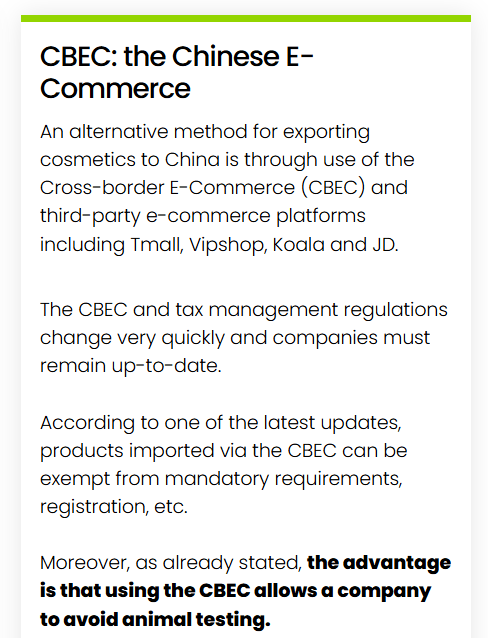
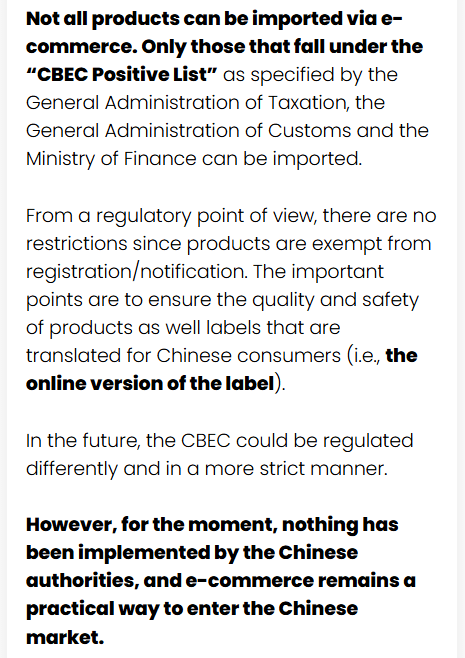
Mary Kay is not cruelty-free in China because it sells products that claim to be “brightening” and “anti-wrinkle.” (Mary Kay CN) Mary Kay could become cruelty-free in China if it discontinued selling these products. However, that is not the only way Mary Kay could become cruelty-free in China. Mary Kay currently sells their products in China through consultants. If Mary Kay transferred sales of their products onto an online platform, it would be able to bypass the animal testing requirements.
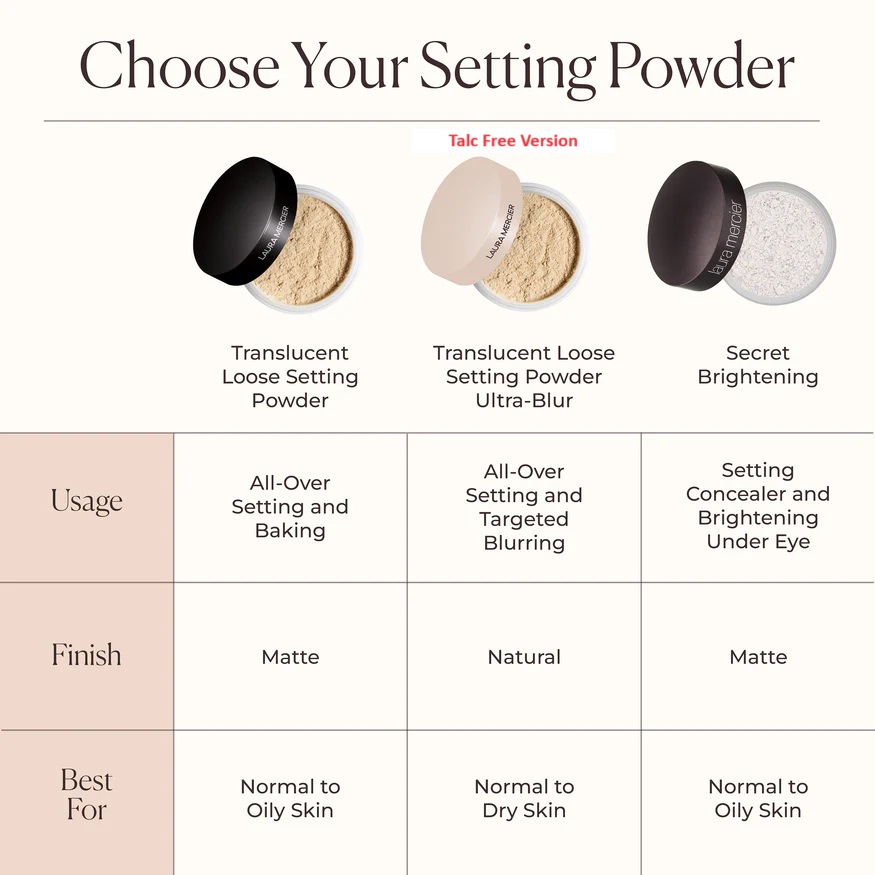
Hello, Beauty Buns! Laura Mercier recently introduced a “talc-free” version of their setting powder. Why? What is up with Talc? Fasten your seat belt buns! It turns out that talc has a crazy story. (Get ready for some 1970s drama.)
Please note that Laura Mercier is not a cruelty-free brand.
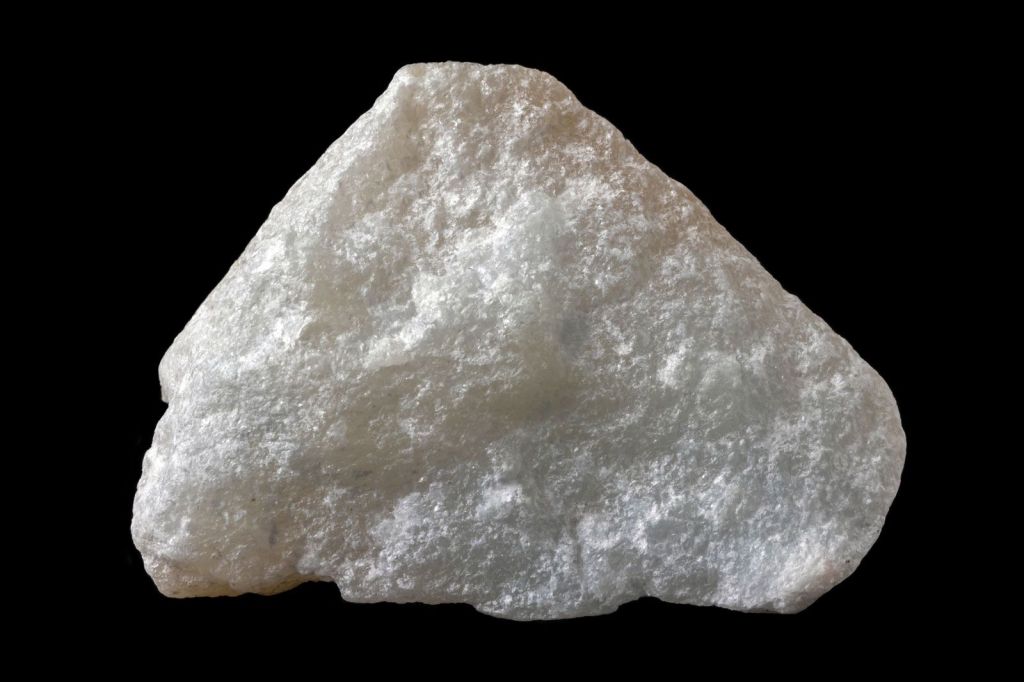
What is Talc?
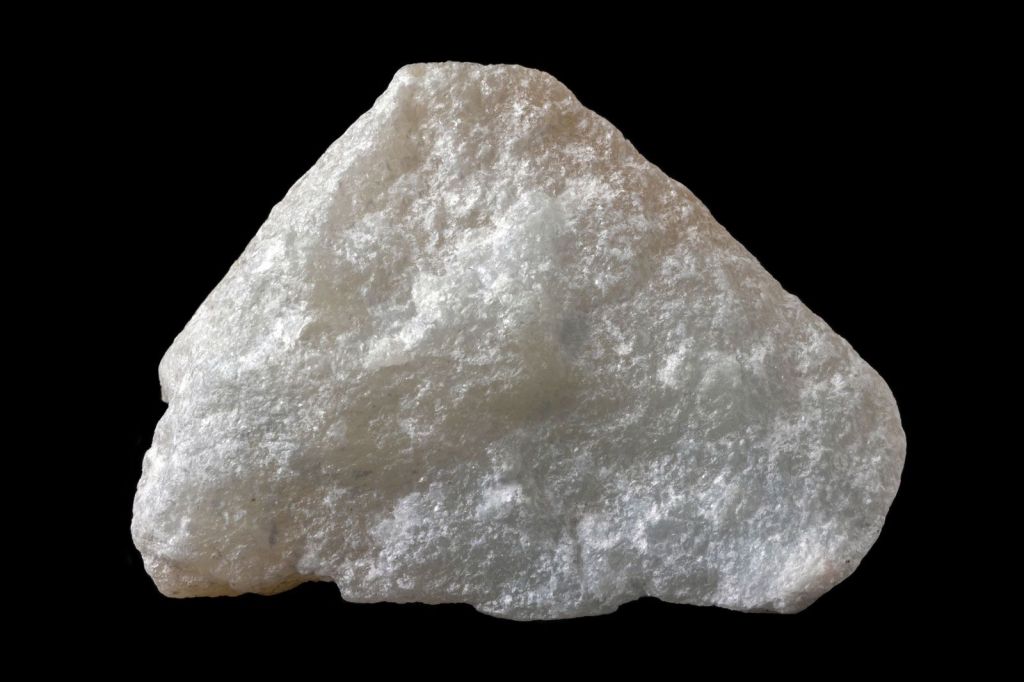
According to the FDA, talc is a natural mineral that many formulas use “to absorb moisture, to prevent caking, to make facial makeup opaque, or to improve the feel of a product.” (FDA.gov)
Talc has nothing wrong with it inherently. When mined correctly, it provides products with all the benefits listed above. However, the problem with talc is that it is often found near asbestos.
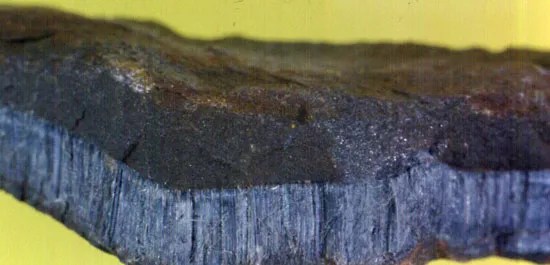
Yep, you heard me right. Talc is often found near asbestos. If suppliers aren’t careful, mined talc can be contaminated with asbestos, thus bringing the consumer into contact with this cancer-causing mineral.
The FDA started conducting yearly blind tests of talc products to check for contamination. The results from the talc test in 2019 are why the FDA conducts yearly talc tests. In the 2019 talc test, the FDA found asbestos in Johnson & Johnson baby powder and some cosmetics. If you want to know how to avoid talc products, skip the next section. But if you want to hear about some old classic 1970s business vs government, keep reading.
History of Talc
It turns out that Johnson & Johnson knew that their baby powder was contaminated. They had known since the 1970s! In June 1972, new scientific testing found asbestos in building materials and other brands. The article named Johnson & Johnson’s (J&J) baby powder as a contaminated product. J&J did not appreciate being thrown under the bus. One meeting later, the Head of J&J’s research department, Dr. Wilson Nashed, convinced the FDA that talc was safe, and an article was published the next day. J&J was off the hook. Dr. Nashed fought to keep J&J’s name clean for the next few years. He blocked multiple test results from being published, all confirming that J&J’s products contained asbestos. Because of his due diligence, J&J kept themselves out of trouble. (National Library of Medicine) Don’t worry, my friends. In the end, J&J did not get away with this. Because when you run from your problems, the consequences will always find you.
The 1990s and early 2000s started to bring lawsuits to J&J, claiming that J&J’s baby powder was the cause of ovarian cancer for several women. All of these were denied or repealed until 2019 when the FDA found a batch of baby powder contaminated with asbestos. J&J recalled the batch. Since then, J&J has started to pay damages for its deception. I guess it is hard to cover up when facing over 75,000 lawsuits. As of 2023, J&J no longer uses talc in their products. (Reuters Investigates)
Finding Talc-Free Products
Thankfully, the FDA’s yearly tests (which can be viewed at this link) have not reported any talc products to be contaminated with asbestos since 2020. Talc is not a dangerous ingredient, and many companies still use it in eyeshadows and facial powders. If you want to avoid talc, you have to be a label reader. Talc, talcum powder, magnesium silicate, or cosmetic talc will be what you are looking for.
My Conclusion: Talc is okay, sometimes.
Always make sure to turn and read your ingredients. My recommendation is to avoid talc products that you might accidentally breathe in. From my research, asbestos is associated with cancer in the ovaries and, in rare cases, in the chest and throat. (National Cancer Institute) Avoiding products you may breathe in, such as loose or setting powder, lowers any potential risk later. Be cautious with eyeshadow, blush, bronzer, and highlighter. These products have a much lower risk of breathing in the excess product, especially with cream, stick, and liquid formulas, but being mindful never hurts anyone.
That is all for today’s dive down the rabbit hole. I hope you all enjoyed it! My next article will be about sunscreen, which also has a good rabbit hole dive. Let me know if there are any ingredients or products you want me to explore next!
I went into Ulta this week and was introduced to the term “pressed pigment.” I was talking with a beauty associate about a NYX eyeshadow palette I picked up on an online order. They turned the packaging of the palette over and told me to be careful of the “pressed pigments.” When I asked what that meant, they told me that pressed pigments aren’t approved by the FDA to go on your eyes, but many brands market these pressed pigments as eyeshadows. They specifically mentioned Colourpop and Morphe as “culprits” of mismarketing but that brands like Juvia’s Place do not. I was intrigued, so I did a deep dive. The main google searches are from blogs like mine. None of the blog posts I found really explained anything about the safety issue around pressed pigments until I found one by Stephanie Rose. (Here is her post from 2020) Her post took me to the FDA’s website. Here’s what I’ve found.
Why the FDA is involved: 1933 Mascara Causes Blindness
Since when does the FDA approve eye shadow pigments? They didn’t until 1938 after a mascara caused many women to go blind. In 1933, a mascara called Lash Lure was launched. Due to the lack of federal regulations, Lash Lure included a chemical called p-phenylenediamine. At the time, p-phenylenediamine was an untested ingredient and it is the ingredient that ended the life of Lash Lure. The National Academies Press wrote, “The p-phenylenediamine caused horrific blisters, abscesses, and ulcers on the face, eyelids, and eyes of Lash Lure users, and it led to blindness for some. In one case, the ulcers were so severe that a woman developed a bacterial infection and died.” In 1938, the Federal Food, Drug, and Cosmetic Act of 1938 was passed and the FDA began regulating the ingredients in cosmetics and medical devices. Today, the FDA continues to regulate cosmetic products to insure that products do not include any ingredients that are toxic or are known to cause allergic reactions.
“*Not intended for use in the immediate eye area”
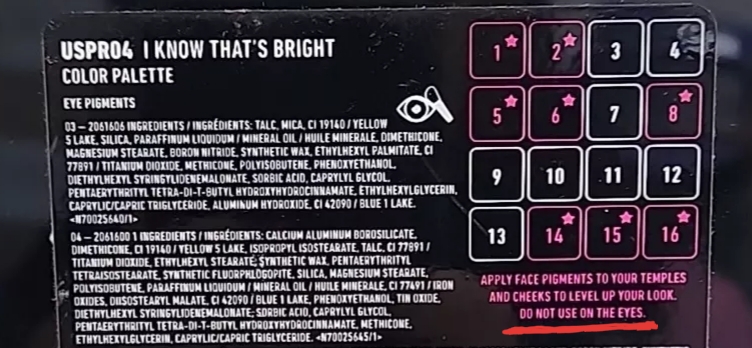
Now, the beauty associate I was talking to was both right and wrong. If you take a look at the Morphe and Colourpop websites, you will see this disclaimer “*Not intended for use in the immediate eye area.” And you can see on the NYX I know That’s Bright that it marks some of their shades and says “DO NOT USE ON THE EYES.” Unfortunately, for the beauty associate, Juvia’s Place also has “*Not intended for use in the immediate eye area” on their ingredients as well. The shades that include the disclaimer are called “pressed pigments.”
Pressed pigments are not anywhere near as dangerous as Lash Lure. Pressed pigments are color pigments pressed into a pan. These color pigments are FDA approved for use on your body and face, just not on the eye area. Why can’t they be used on the eye? These unapproved pigments have been known to stain the eyelid, cause allergic reactions and blindness.
FDA Approved Pigments For “Eye Area”
Stephanie Rose found that her friends and family all had different definitions about what “eye area” meant. I followed her to the FDA definition. The FDA defines the eye area to be:
The term area of the eye means the area enclosed with in the circumference of the supra-orbital ridge and the infra-orbital ridge, including the eyebrow, the skin below the eyebrow, the eyelids and the eyelashes, and conjunctival sac of the eye, the eyeball, and the soft areolar tissue that lies within the perimeter of the infra-orbital ridge.
To clear up any confusion, the “eye area” means the eye area. Your lid, crease, inner corner, waterline, and your eyebrow are all included.
My Conclusion: Are Pressed Pigments Safe?
There is a lot of discussion about pressed pigments. One part of the discussion points at companies for incorrect marketing or the lack of marketing when it comes to pressed pigments. That’s a topic for another day. Another part of the discussion is if pressed pigments are actually safe or not. The FDA claims that pigments that are not approved for the eye area are dangerous and can cause allergic reactions and blindness. I read one blog that claimed that many of these pigments are approved in Europe for use on the eyes, just not in America. (I didn’t care to investigate that claim at this time.) A SELF article said that the FDA doesn’t say why a certain pigment didn’t pass the safety certification. SELF also argues that anything can cause an allergic reaction when it comes to skin.
My current conclusion is that I need to do more research. For people with sensitive skin, I would recommend staying away from using pressed pigments. When you have sensitive skin, you know what bothers your skin, and you know to proceed with caution when using products. For me, I don’t actually have many pressed pigments. The majority of my palettes are from Tarte, who doesn’t appear to do pressed pigments. As I do more research, I will let you know if I do have more. I think the decision whether or not to use pressed pigments on the eyes is up to you. But if you do have a reaction or your eye lid gets stained for a few days, you can’t be mad now.
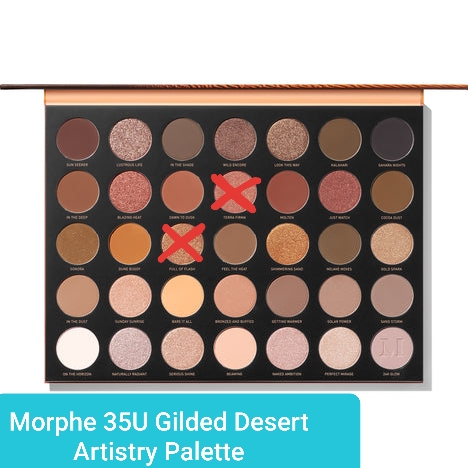
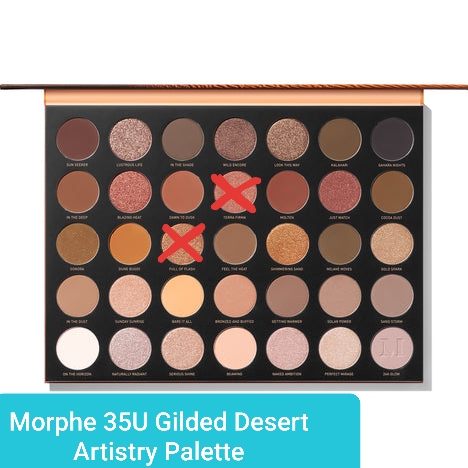
While brands do not highlight the disclaimer on pressed pigments, the disclaimer is included on the packaging and the company website. The beauty associate’s distaste for pressed pigments had me thinking that all of Morphe’s palettes were actually pressed pigments and not eyeshadows. That isn’t correct. For example, the Morphe 35U Gilded Desert palette has 33 eyeshadows and only two pressed pigments.
According to the Federal Code of Regulations, companies are required to post any product limitations on packaging. (Here is the page) However, companies are not required to put things like ingredients lists or warnings on the actual palette itself, just the outside packaging.
Color Additives Approved for Use in Cosmetics Part 73, Subpart C: Color additives exempt from batch certification
annatto
caramel
carmine
B-Carotene
Bismuth Oxychloride
Iron Oxides
ferric ferrocyanide
chromium hydroxide green
chromium oxide greens
guanine
mica
titanium dioxide
aluminum powder
bronze powder
copper powder
ultramarines
manganese violet
zinc oxide
Color Additives Approved for Use in Cosmetics Part 74, Subpart C: Color additives subject to batch certification
D&C Black No. 2
D&C Black No. 3
FD&C Blue No. 1 Lake
D&C Green No. 5
FD&C Red No. 40
FD&C Yellow No. 5 Lake
How to Read Cosmetic Pigment Ingredients
When you are looking at the ingredients on the eyeshadow packaging or on the brand’s website you will see pigments listed in one of two ways. Option 1: name of the ingredient with the CI (Cosmetic Ingredient) number. Option 2: CI number. If you are reading ingredients that just list the CI number, the INCI (International Nomenclature of Cosmetic Ingredients) directory by SpecialChem allows you to search that CI number to find the name of that ingredient.
Example: FD&C Blue No. 1 Lake = CI 42090 or Blue 1 Lake (CI 42090)
Another word you will see along some pigments is the word “Lake.” From what I understand, a “Lake” is a color pigment mixed with a chemical substrate so that the pigment becomes insoluble. (The Basics: Dyes, Pigments and Lakes) Unapproved pigments can stain your eyelid or cause allergic reactions. Since a “Lake” pigment is insoluble, the chances of staining the eyelid decrease.
The following sections are some palette examples from Colourpop, Juvia’s Place, and Morphe that either have or don’t have pressed pigments. Just note: I do touch on the marketing conversation just a touch, but this post is already too long to get into that in depth.
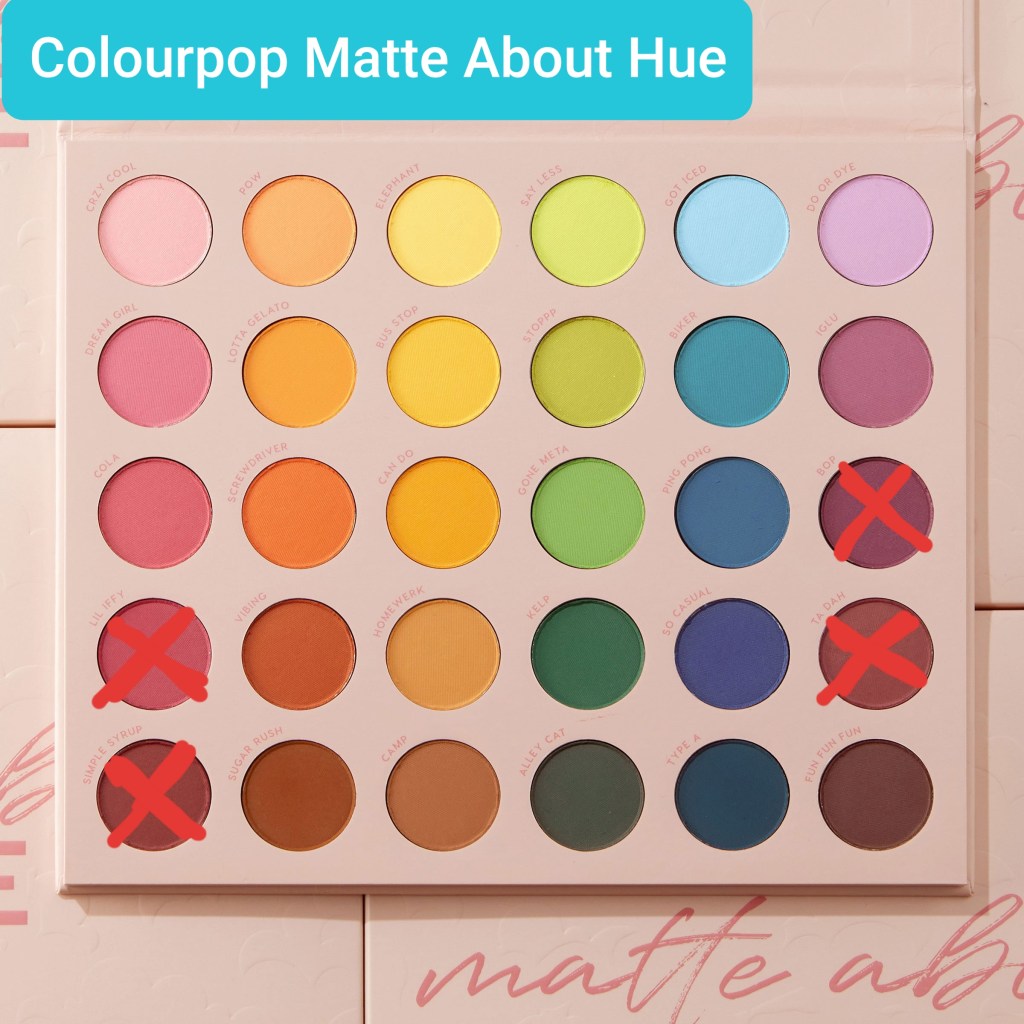
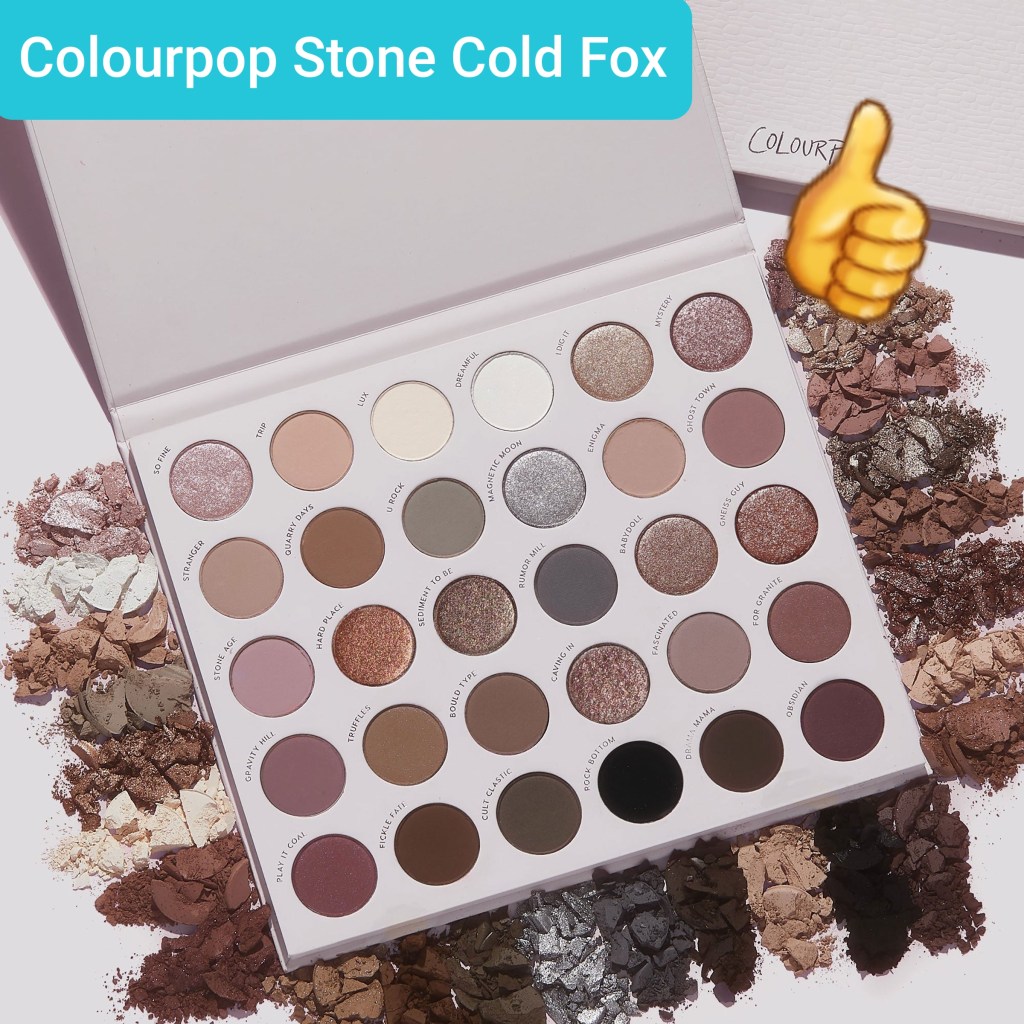
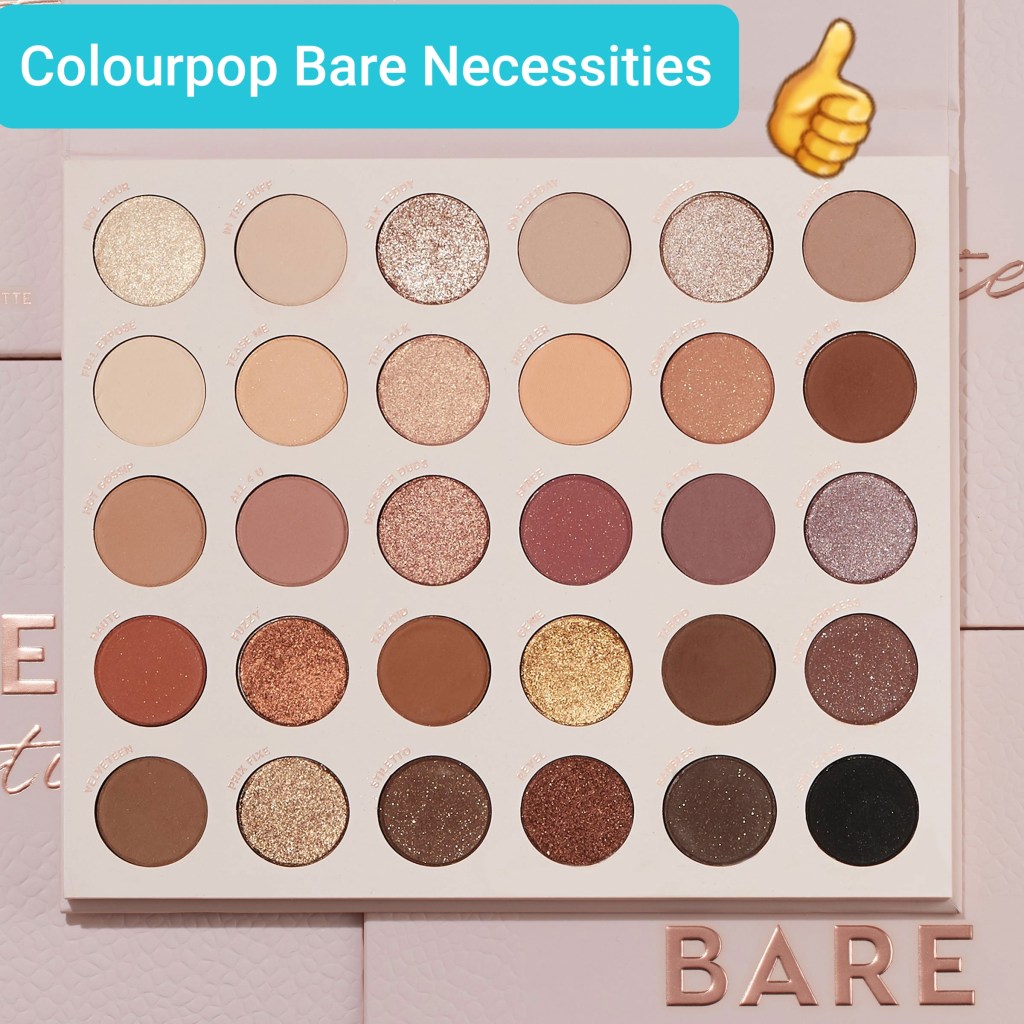
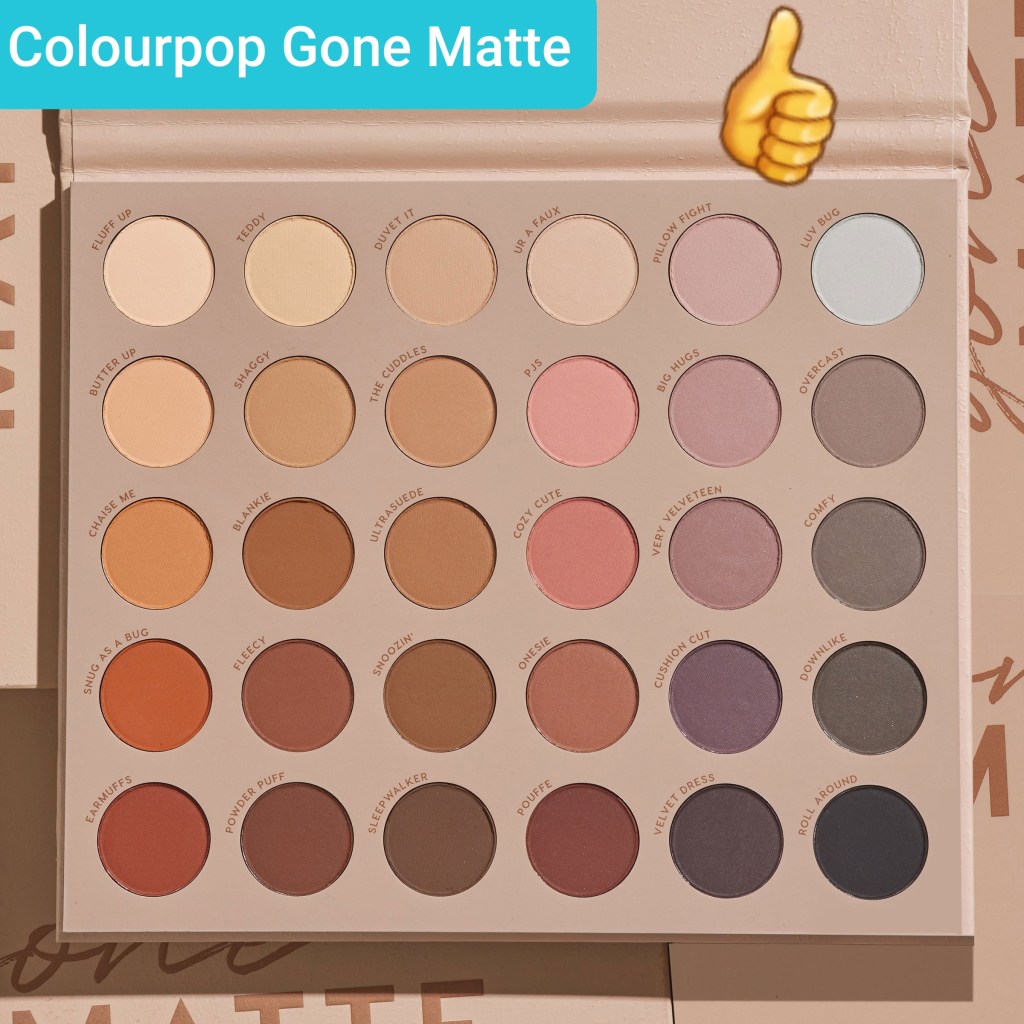
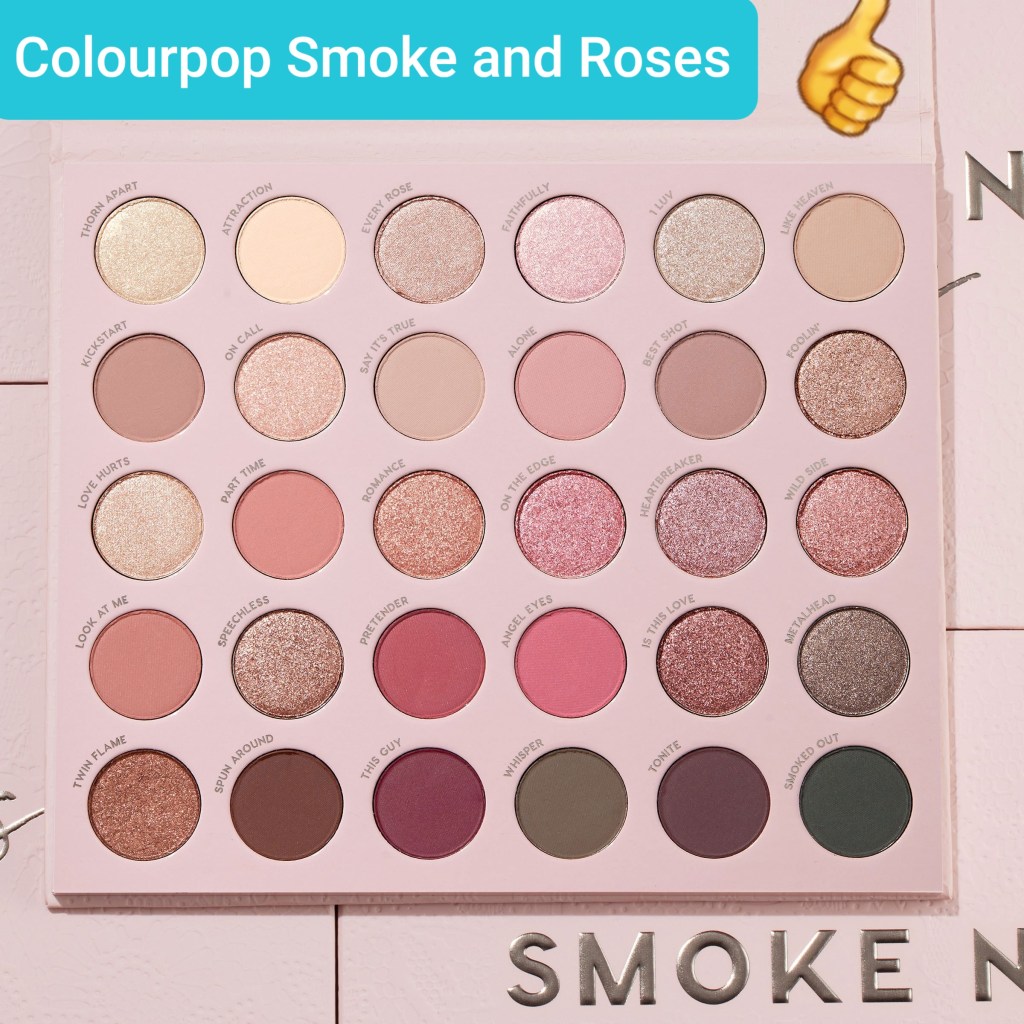
Examples: Colourpop Mega Palettes
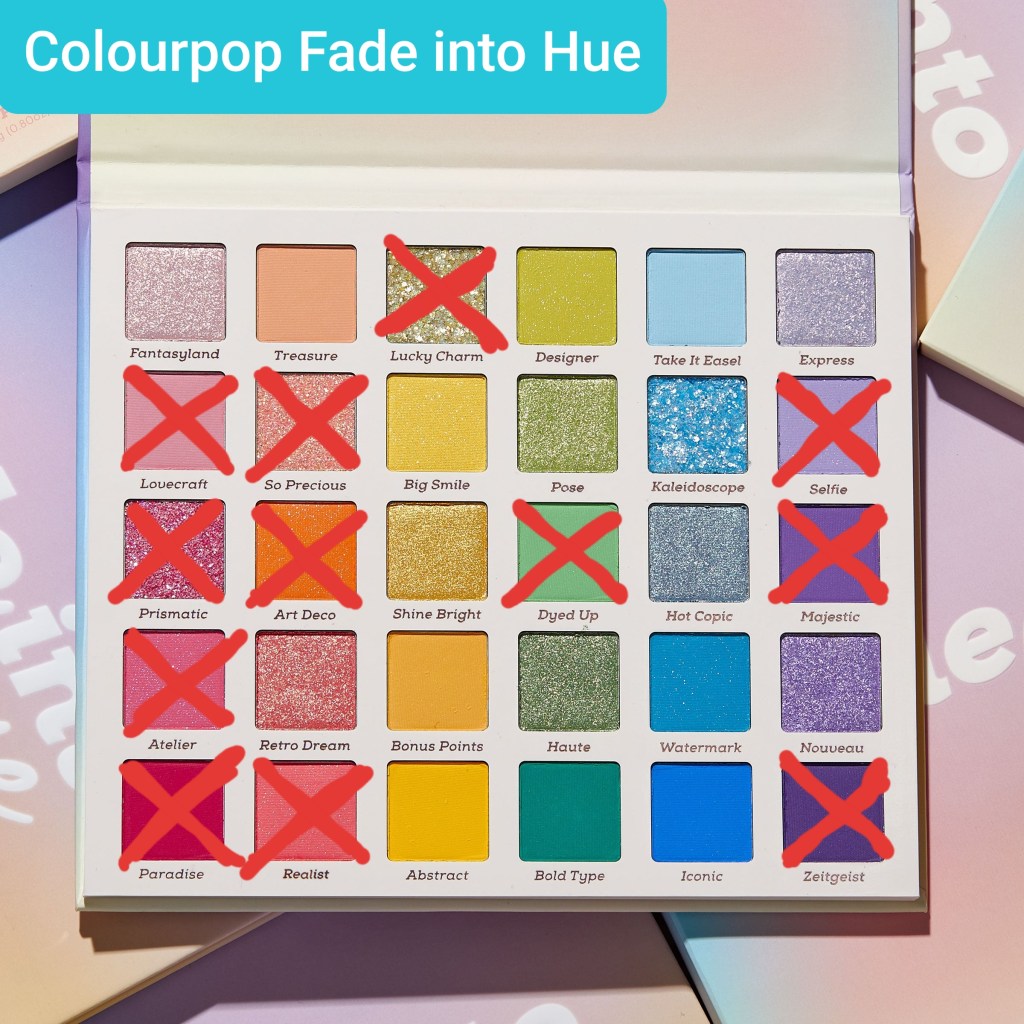
Disclaimer: This palette is an outlier when it comes to the number of pressed pigments to eyeshadows. Another outlier about this palette is that they also include “pressed glitters.” But that’s a conversation for another day.
If you want to get into the numbers of this one, of the 30 shadows, 17 are intended for eye use, while 13 are not. That means 57% intended for eye use and 43% of the palette is not.
I went through all the ingredients on this palette and marked the approved and unapproved pigments. You can find them here. (Let me know if the link doesn’t work.)
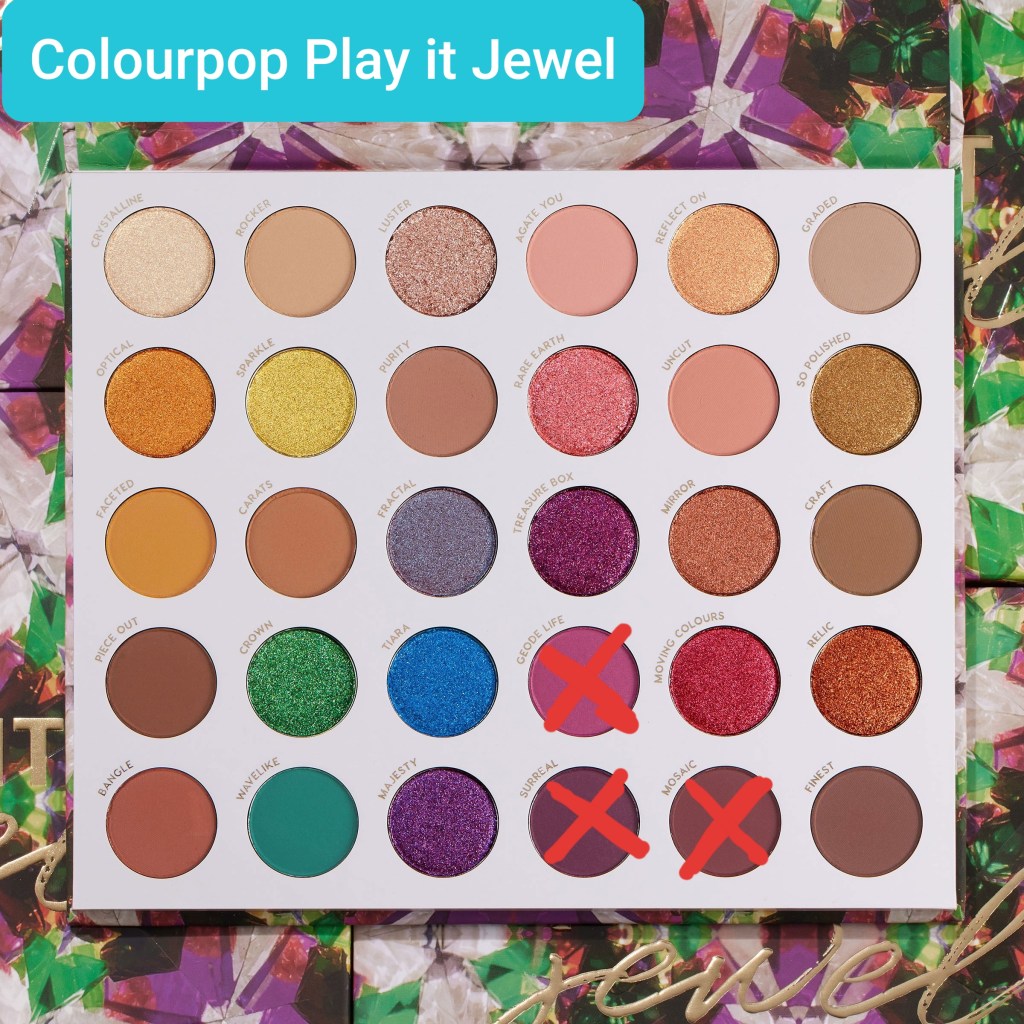
Below I have pictures of all the mega palettes from Colourpop. Currently, Colourpop has 11 Mega palettes listed on their site. Seven of those palettes do not contain any pressed pigments.
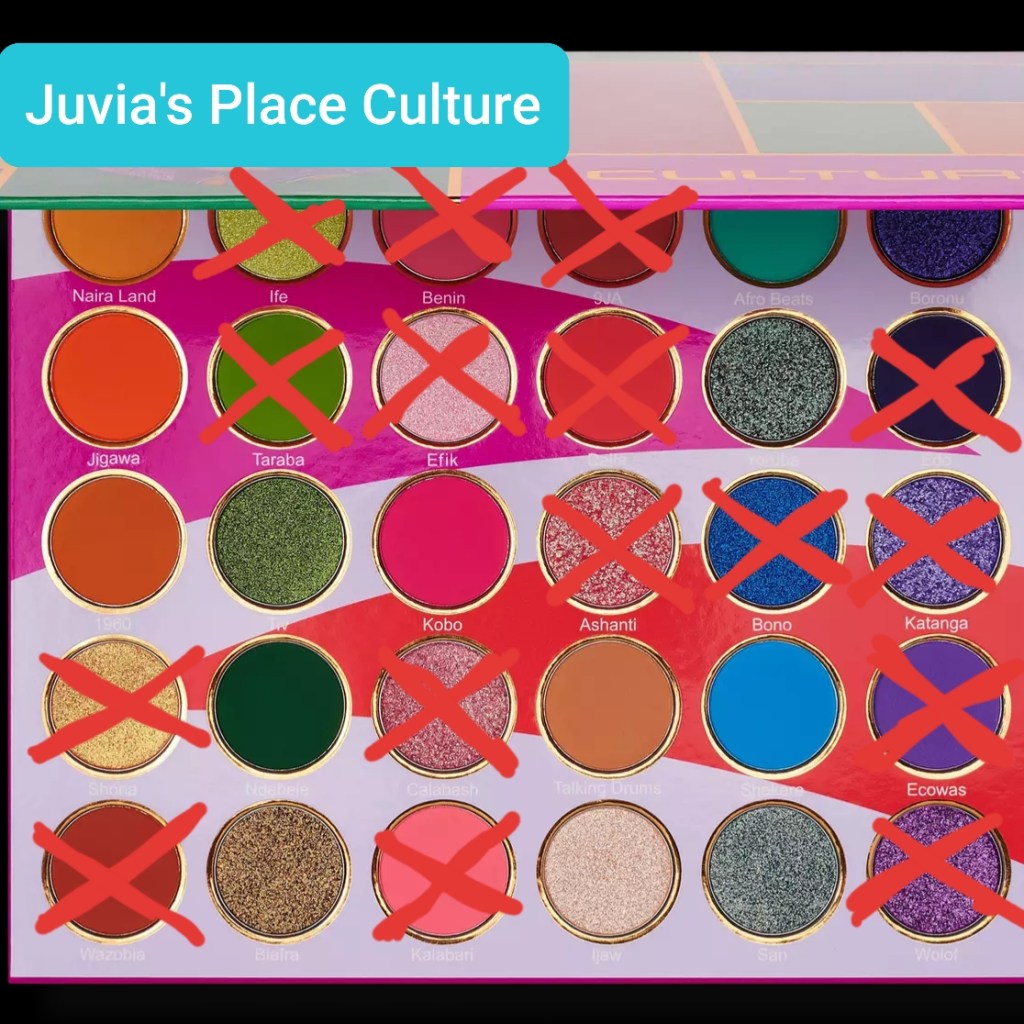
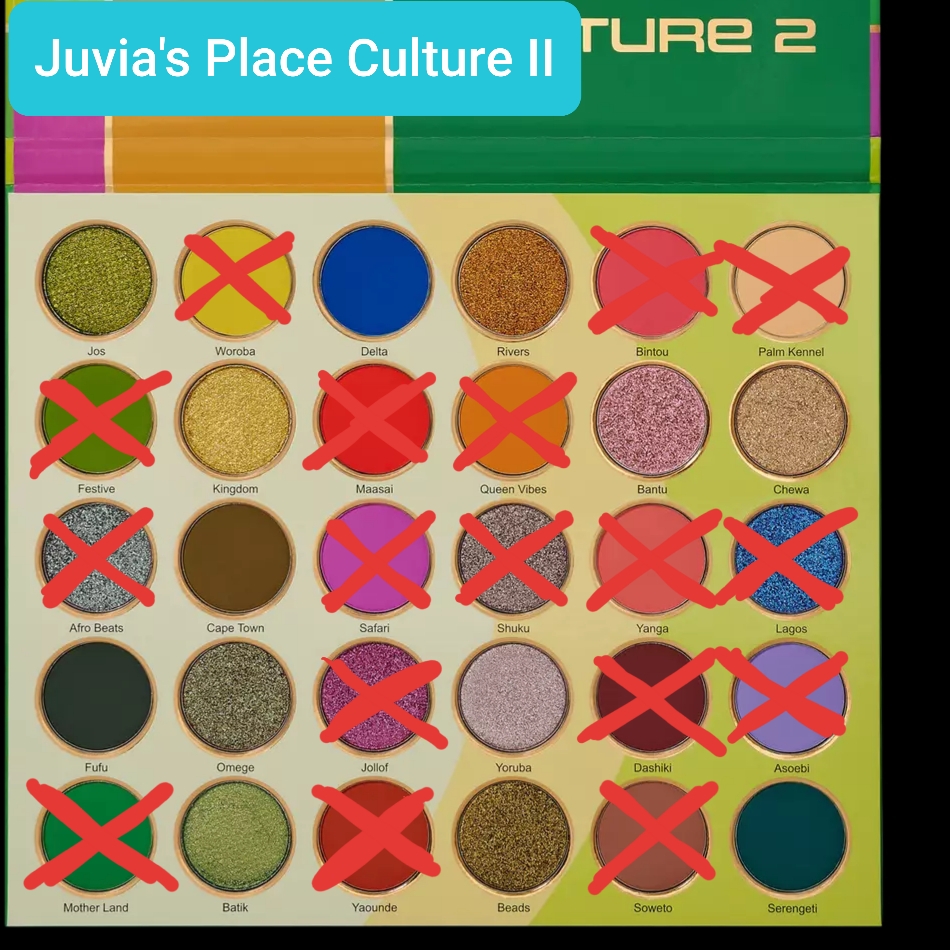
Example: Juvia’s Place
Juvia’s Place is heavier on the pressed pigment side. Looking at the Culture palette, only 13 of the 30 shades are intended for eye use. The Culture II palette also only has 13 eye shadows out of the 30 shades. If you got sensitive eyes, I would maybe recommend to avoid these palettes.
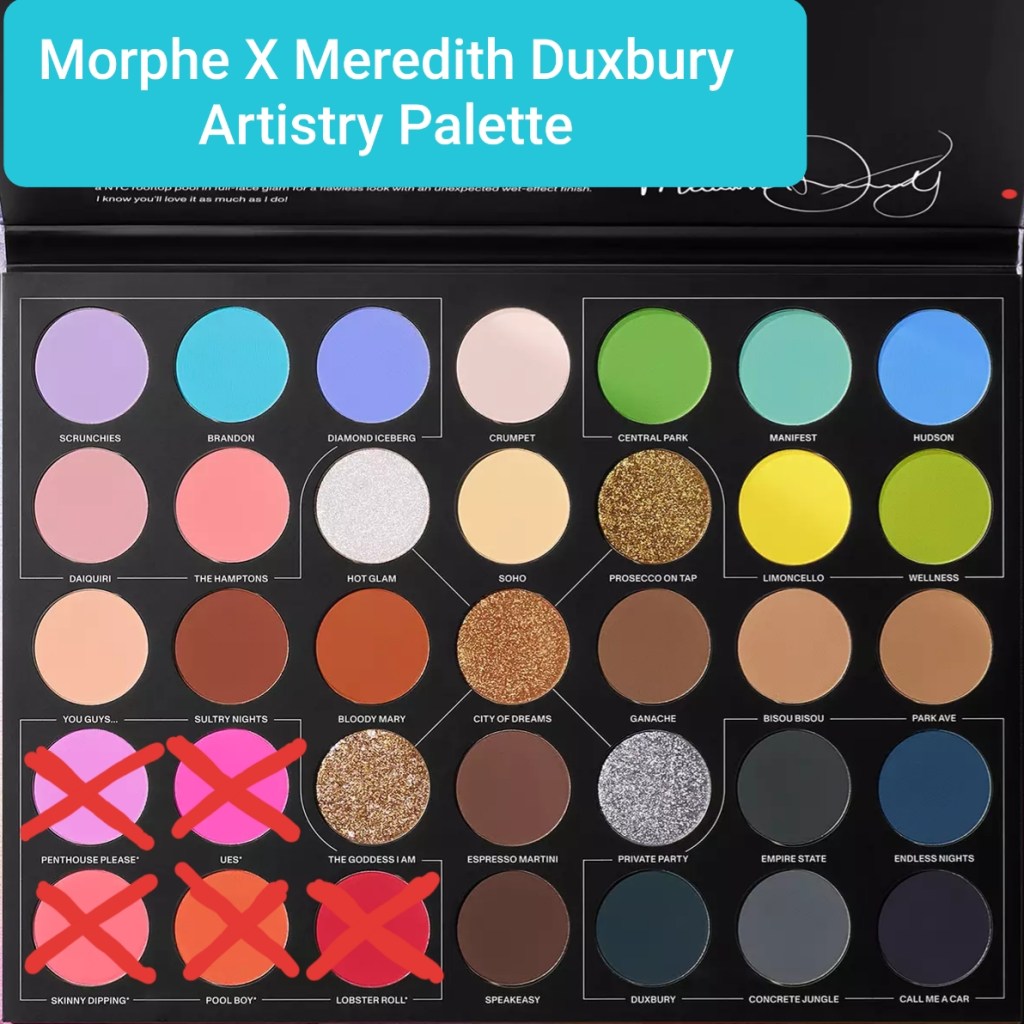
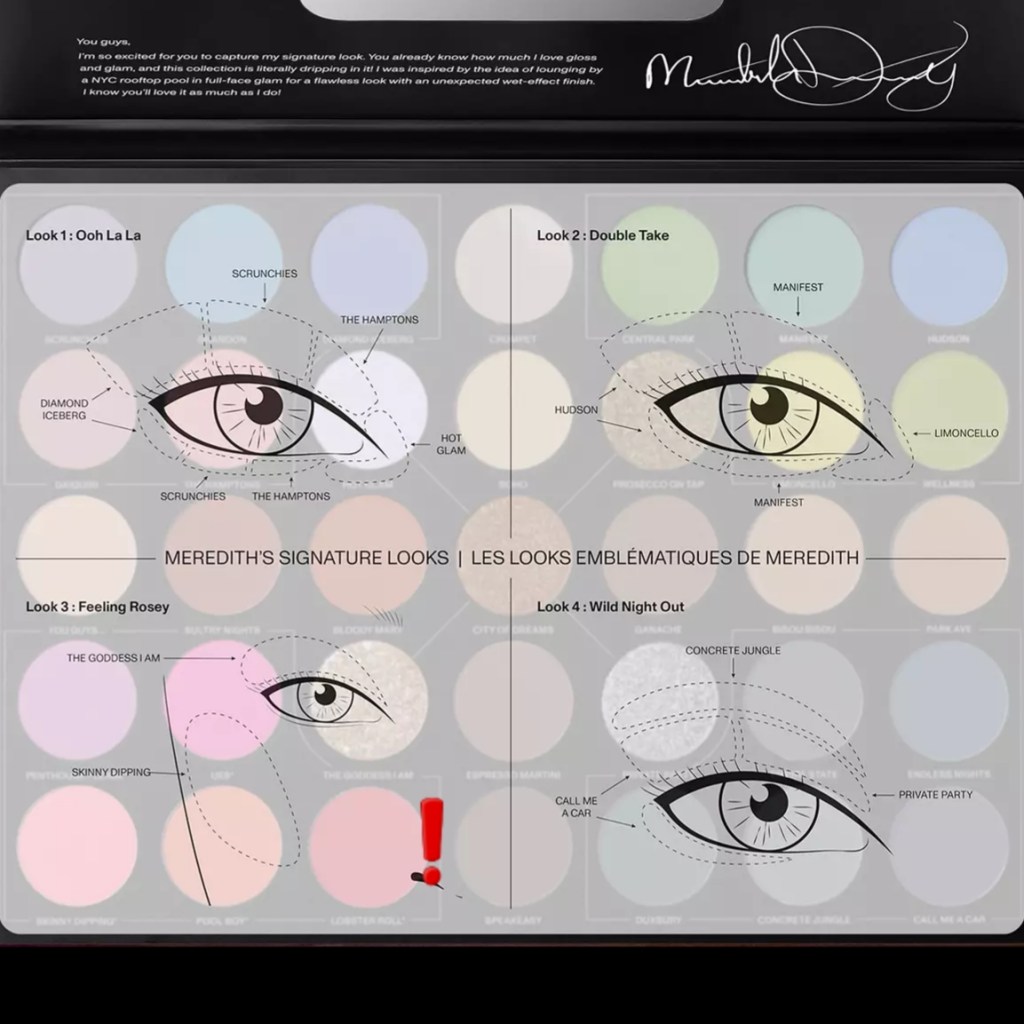
Morphe is not cruelty-free, but I wanted to include them because Morphe is known for their bright palettes. You may also notice that Morphe does not call these eyeshadow palettes, they are called “Artistry” palettes. That may come off as sneaky marketing, but they aren’t mismarketing their product. Something I also thought was interesting is the second image I included. They do not have a look in the product photos that uses one of the pressed pigments on the eye area. It is actually used only on the cheek.
Note: Here they do not use the Pressed Pigments on the eyes.
Thank you so much for reading! Here are a few more articles besides the ones I have already mentioned that you may enjoy. Please let me know your thoughts down below? Do you want me to do a post about the marketing conversation?





 Brianna Rae