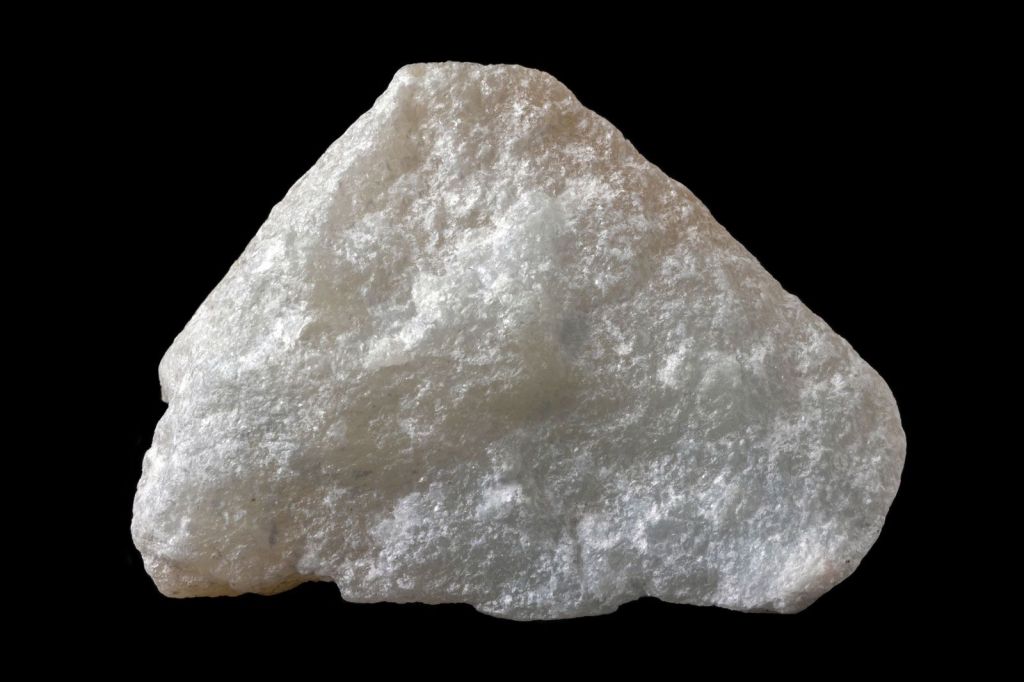
Hello, Beauty Buns! Laura Mercier recently introduced a “talc-free” version of their setting powder. Why? What is up with Talc? Fasten your seat belt buns! It turns out that talc has a crazy story. (Get ready for some 1970s drama.)
What is Talc?
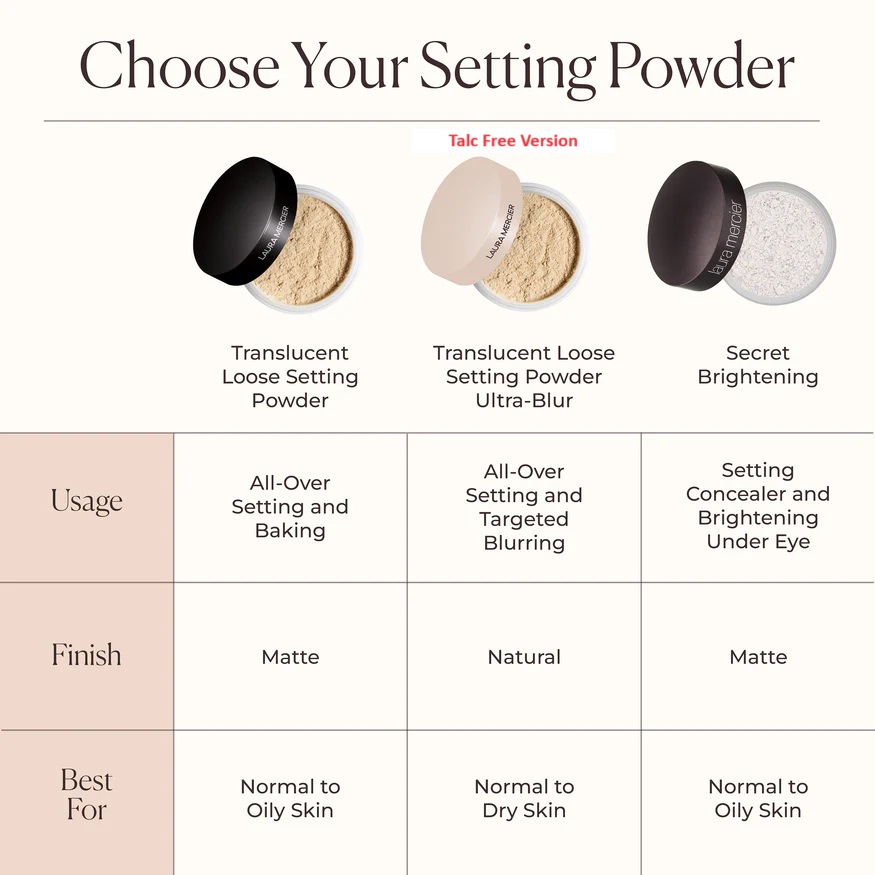
According to the FDA, talc is a natural mineral that many formulas use “to absorb moisture, to prevent caking, to make facial makeup opaque, or to improve the feel of a product.” (FDA.gov)
Talc has nothing wrong with it inherently. When mined correctly, it provides products with all the benefits listed above. However, the problem with talc is that it is often found near asbestos.
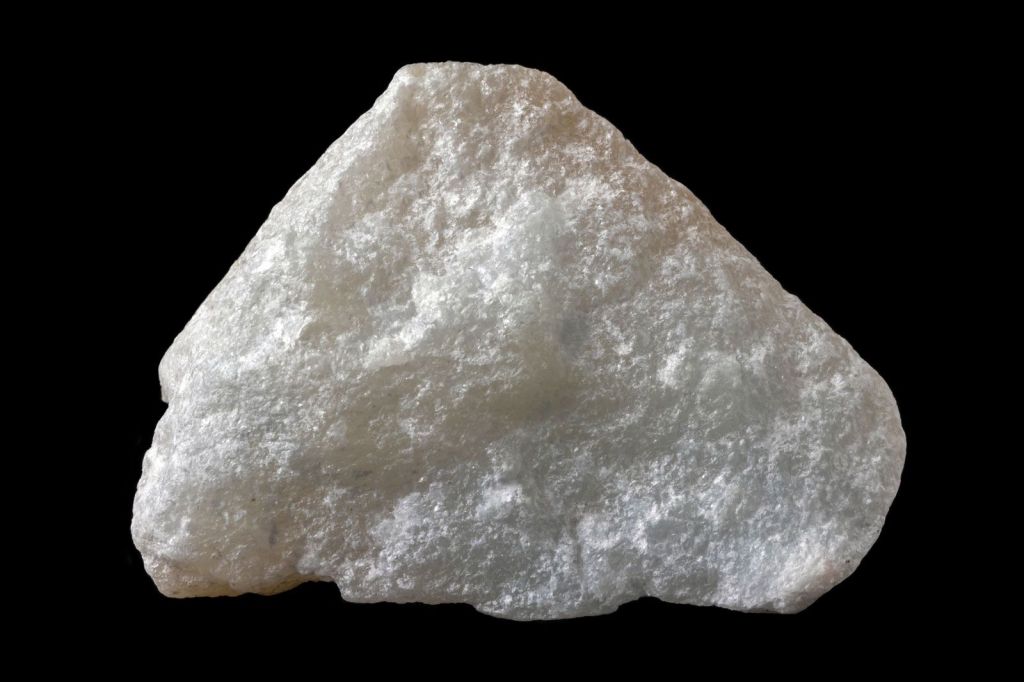
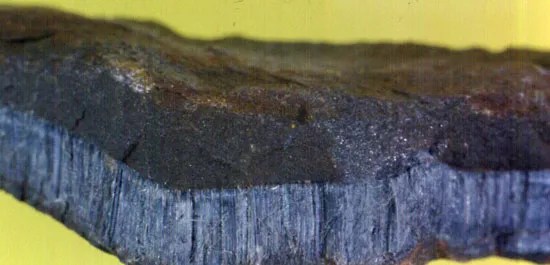
Yep, you heard me right. Talc is often found near asbestos. If suppliers aren’t careful, mined talc can be contaminated with asbestos, thus bringing the consumer into contact with this cancer-causing mineral.
The FDA started conducting yearly blind tests of talc products to check for contamination. The results from the talc test in 2019 are why the FDA conducts yearly talc tests. In the 2019 talc test, the FDA found asbestos in Johnson & Johnson baby powder and some cosmetics. If you want to know how to avoid talc products, skip the next section. But if you want to hear about some old classic 1970s business vs government, keep reading.
History of Talc
It turns out that Johnson & Johnson knew that their baby powder was contaminated. They had known since the 1970s! In June 1972, new scientific testing found asbestos in building materials and other brands. The article named Johnson & Johnson’s (J&J) baby powder as a contaminated product. J&J did not appreciate being thrown under the bus. One meeting later, the Head of J&J’s research department, Dr. Wilson Nashed, convinced the FDA that talc was safe, and an article was published the next day. J&J was off the hook. Dr. Nashed fought to keep J&J’s name clean for the next few years. He blocked multiple test results from being published, all confirming that J&J’s products contained asbestos. Because of his due diligence, J&J kept themselves out of trouble. (National Library of Medicine) Don’t worry, my friends. In the end, J&J did not get away with this. Because when you run from your problems, the consequences will always find you.
The 1990s and early 2000s started to bring lawsuits to J&J, claiming that J&J’s baby powder was the cause of ovarian cancer for several women. All of these were denied or repealed until 2019 when the FDA found a batch of baby powder contaminated with asbestos. J&J recalled the batch. Since then, J&J has started to pay damages for its deception. I guess it is hard to cover up when facing over 75,000 lawsuits. As of 2023, J&J no longer uses talc in their products. (Reuters Investigates)
Finding Talc-Free Products
Thankfully, the FDA’s yearly tests (which can be viewed at this link) have not reported any talc products to be contaminated with asbestos since 2020. Talc is not a dangerous ingredient, and many companies still use it in eyeshadows and facial powders. If you want to avoid talc, you have to be a label reader. Talc, talcum powder, magnesium silicate, or cosmetic talc will be what you are looking for.
My Conclusion: Talc is okay, sometimes.
Always make sure to turn and read your ingredients. My recommendation is to avoid talc products that you might accidentally breathe in. From my research, asbestos is associated with cancer in the ovaries and, in rare cases, in the chest and throat. (National Cancer Institute) Avoiding products you may breathe in, such as loose or setting powder, lowers any potential risk later. Be cautious with eyeshadow, blush, bronzer, and highlighter. These products have a much lower risk of breathing in the excess product, especially with cream, stick, and liquid formulas, but being mindful never hurts anyone.
That is all for today’s dive down the rabbit hole. I hope you all enjoyed it! My next article will be about sunscreen, which also has a good rabbit hole dive. Let me know if there are any ingredients or products you want me to explore next!
 Brianna Rae